
![The Development and Maintenance of Wastewater Treatment Plants [A Guide]](https://wevaluebeauty.com/wp-content/uploads/2024/03/Wastewater-Treatment-Plant-300x225-1.jpg)
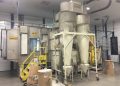
Wastewater treatment plants play a vital role in protecting public health and the environment by removing contaminants from sewage and industrial wastewater before it is discharged back into the environment. The development and ongoing maintenance of these facilities is a complex process requiring significant expertise, planning, and investment.
Site Selection
According to water and wastewater blog, the most important process in the wastewater plant process is site selection. The first step in developing a wastewater treatment plant is selecting an appropriate site. Key factors in site selection include acreage, topography, soil conditions, distance to sewer lines and bodied of water, surrounding land use, and accessibility. Sufficient acreage is required for current needs and future expansion. The topography must allow for grading and drainage. Stable soil conditions are necessary to support foundations and pavements. Proximity to sewer lines for effluent inflow and outflow points reduces piping costs. Surrounding land use and distance to residential areas impact possibilities for odor issues. Accessibility for delivery of chemicals and equipment is also important.
Treatment Process Design
Once a site is selected, engineers design the treatment processes that will remove contaminants and purify the wastewater to meet discharge standards. Common elements in wastewater treatment include screens to remove large debris, clarifiers to allow solids to settle out, aerators to facilitate biological breakdown of organic matter, and disinfection systems to kill pathogens before discharge. The specific treatment steps and sizing of equipment is dictated by wastewater characteristics, discharge limitations, and capacity requirements.
Permitting and Regulations
The development process involves extensive permitting and demonstrating compliance with environmental regulations. Key permits include those issued under the Clean Water Act, Clean Air Act, Safe Drinking Water Act, and state and local building codes. Environmental impact assessments are generally required as well. Permitting and regulatory compliance ensure the plant has minimal negative impact on surrounding ecosystems and communities.
Construction
After securing the necessary permits and approvals, construction can begin. First earthwork, grading, site improvements, and installation of drainage systems provide a stable site. Next major facilities are constructed including headworks, clarifiers, digesters, and buildings to house equipment, laboratory, offices, and control rooms. Pipe installation connects equipment units. After major construction, specialized contractors install and integrate mechanical, electrical, and instrumentation systems. Final steps include testing and commissioning equipment.
Maintenance and Operations
Proper maintenance and operation keeps wastewater treatment infrastructure functioning as designed throughout its 30-50 year lifespan. Preventative maintenance involves regularly inspecting equipment, lubricating parts, adjusting belts and chains, calibrating instruments, testing backup systems, and cleaning key components. Maintaining optimal chemical dosing and biological processes enables consistent and efficient treatment. Diagnosing and fixing problems early on avoids major breakdowns. updating aging equipment and systems prevents failures and keeps treatment capabilities up to date e waste recycling.
Asset Management
Asset management programs take a systematic, coordinated approach to operating, maintaining, repairing, and replacing equipment as cost effectively as possible. Computerized Maintenance Management Systems track equipment data, work orders, and maintenance activities. Operators reference asset management plans to understand lifecycle positions and determine optimal maintenance strategies for thousands of plant assets.
Optimization
Experienced wastewater plant personnel continually fine-tune treatment processes for peak efficiency. Assessing treatment performance, changing chemical dosages, adjusting aerations systems, and modifying biological processes improves effluent quality and reduces energy consumption. Benchmarking performance versus other plants identifies areas for improvement. Implementing automation and remote monitoring provides data to inform optimization efforts.
Updating and Expanding
Constantly evolving regulations, population growth, new treatment technologies prompt updates and expansions. Constructing new sediment tanks, bigger digesters, additional clarifiers, new filtration systems, and other upgrades maintains compliance and keeps pace with ever increasing wastewater flows.
The development, operation, maintenance and updating of wastewater treatment plants relies on the coordinated efforts of regulators, engineers, construction crews, contractors, technicians, operators and managers. Significant technical expertise and capital investments are essential to ensure these facilities continually protect our water resources.