

Indian summers can be particularly harsh on the scalp. Between rising temperatures, humidity, pollution, helmet use, and increased sweating, many people notice their dandruff becoming more persistent during hotter months.
Flakes, itchiness, oiliness, and scalp irritation often worsen in summer, even for those who usually manage dandruff well during the rest of the year.
While dandruff is common, it is not simply caused by poor hygiene. It is linked to a naturally occurring scalp microorganism called Malassezia, which thrives in oily environments. Heat and sweat can disrupt the scalp’s balance, creating conditions that make dandruff flare-ups more noticeable.
Understanding how summer affects the scalp is an important step towards building healthier scalp habits and learning how to prevent dandruff in hair effectively.
Why Summer Heat Can Trigger Dandruff Flare-Ups
During summer, the scalp produces more sweat and sebum. When sweat mixes with excess oil, dead skin cells, dust, and pollution, it can leave the scalp feeling greasy and irritated. This environment may encourage Malassezia activity, leading to visible flakes and itching.
In many parts of India, humidity further compounds the issue. Long commutes, outdoor exposure, frequent helmet use, and workouts can trap sweat against the scalp for hours. Washing hair inconsistently or using harsh cleansing products may also weaken the scalp barrier over time.
This is where simple, consistent scalp care becomes important. Choosing a shampoo formulated to cleanse the scalp thoroughly without over-drying it can help remove excess oil, impurities, and dandruff-causing build-up.
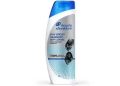
Products like the Head & Shoulders Deep Cleanse shampoo are designed for this purpose. Its deep cleansing formula helps remove dirt, sweat, and oil while supporting ongoing dandruff management as part of a regular haircare routine.
Key Takeaways
- Heat and humidity can worsen dandruff symptoms
- Sweat and excess oil create conditions that may trigger scalp imbalance
- Consistent cleansing is important during the Indian summers
- A scalp-focused shampoo can help manage build-up effectively
How to Prevent Dandruff in Hair
Preventing dandruff often requires long-term scalp maintenance rather than short-term fixes. Summer scalp care in India should focus on keeping the scalp clean, balanced, and protected from excess sweat and oil accumulation.
One of the most effective approaches is regular washing based on your scalp type and lifestyle. People who sweat heavily, exercise frequently, or wear helmets daily may benefit from more consistent cleansing routines.
Other useful habits include:
- Drying the scalp properly after washing
- Avoiding heavy styling products that trap sweat
- Cleaning pillowcases, caps, and helmets regularly
- Managing stress and sleep patterns, which may also affect scalp health
Many dermatologists also recommend following simple hair care tips at home that support scalp hygiene without irritating the skin barrier. Gentle cleansing, avoiding excessive scratching, and maintaining overall scalp freshness can make a noticeable difference over time.
If dandruff tends to recur frequently during warmer months, incorporating an anti-dandruff shampoo into your regular routine may help maintain scalp balance more consistently rather than waiting for flakes to become severe.
Key Takeaways
- Learning how to prevent dandruff in hair involves consistent scalp care
- Sweat management is important in hot and humid climates
- Small hygiene habits can help reduce dandruff triggers
- Regular scalp cleansing may help minimise recurrence
Everyday Hair Care Habits That Support a Healthier Scalp
Summer scalp care is not only about products — daily habits matter too. Many people unknowingly aggravate dandruff by overwashing, aggressively scrubbing the scalp, or leaving sweat sitting on the scalp for prolonged periods.
Simple hair care tips at home can support scalp comfort during summer:
- Wash hair after intense sweating or outdoor exposure
- Use lukewarm rather than very hot water
- Avoid sharing combs, towels, or helmets
- Keep long hair tied loosely to reduce sweat build-up
- Choose breathable fabrics around the scalp area
Diet and hydration also play a role in scalp health. High-sugar diets, dehydration, and irregular routines may contribute to increased oiliness or inflammation in some individuals. Drinking enough water and maintaining balanced nutrition can support overall skin and scalp function.
For individuals looking for practical routines, following consistent strategies to prevent dandruff in hair alongside realistic hair care tips may help improve long-term scalp comfort.
Products designed for regular anti-dandruff use, such as the Head & Shoulders Deep Cleanse shampoo, can fit naturally into these routines by helping wash away sweat, oil, and environmental impurities that build up during summer months.
Key Takeaways
- Daily habits influence scalp health significantly
- Hair care tips at home should focus on gentle scalp maintenance
- Hydration and hygiene both support healthier scalp conditions
- Long-term routines are often more effective than quick fixes
Final Thoughts
Dandruff is often a recurring condition rather than a one-time problem, especially during Indian summers, when sweat, humidity, and pollution can disrupt the scalp’s natural balance. While it may not be possible to eliminate dandruff permanently, consistent scalp care can help manage symptoms effectively and reduce frequent flare-ups.
Focusing on realistic habits — regular cleansing, sweat management, gentle scalp care, and suitable anti-dandruff products — can make the scalp feel healthier and more comfortable over time. Small daily choices often play the biggest role in maintaining long-term scalp wellness.
FAQs
1. Does sweat make dandruff worse?
Sweat itself does not directly cause dandruff, but excess sweat combined with oil and humidity can create conditions that aggravate dandruff symptoms.
2. How often should I wash my hair in summer if I have dandruff?
This depends on your scalp type and activity level. Individuals with oily scalps or frequent sweating may benefit from more regular washing to reduce build-up.
3. Can dandruff disappear permanently?
Dandruff is usually a recurring scalp condition. While symptoms can often be managed effectively, flare-ups may return without consistent scalp care.
4. What are some effective hair care tips at home for dandruff?
Keeping the scalp clean, washing after sweating, avoiding harsh scratching, and maintaining proper scalp hygiene are some useful hair care tips at home.
5. Is anti-dandruff shampoo suitable for regular use?
Many anti-dandruff shampoos are formulated for ongoing use as part of a regular scalp care routine, particularly during humid or sweaty seasons.